CW94 January, 2026
Door-to-door garbage collection is going to be conducted in three more districts from April 1
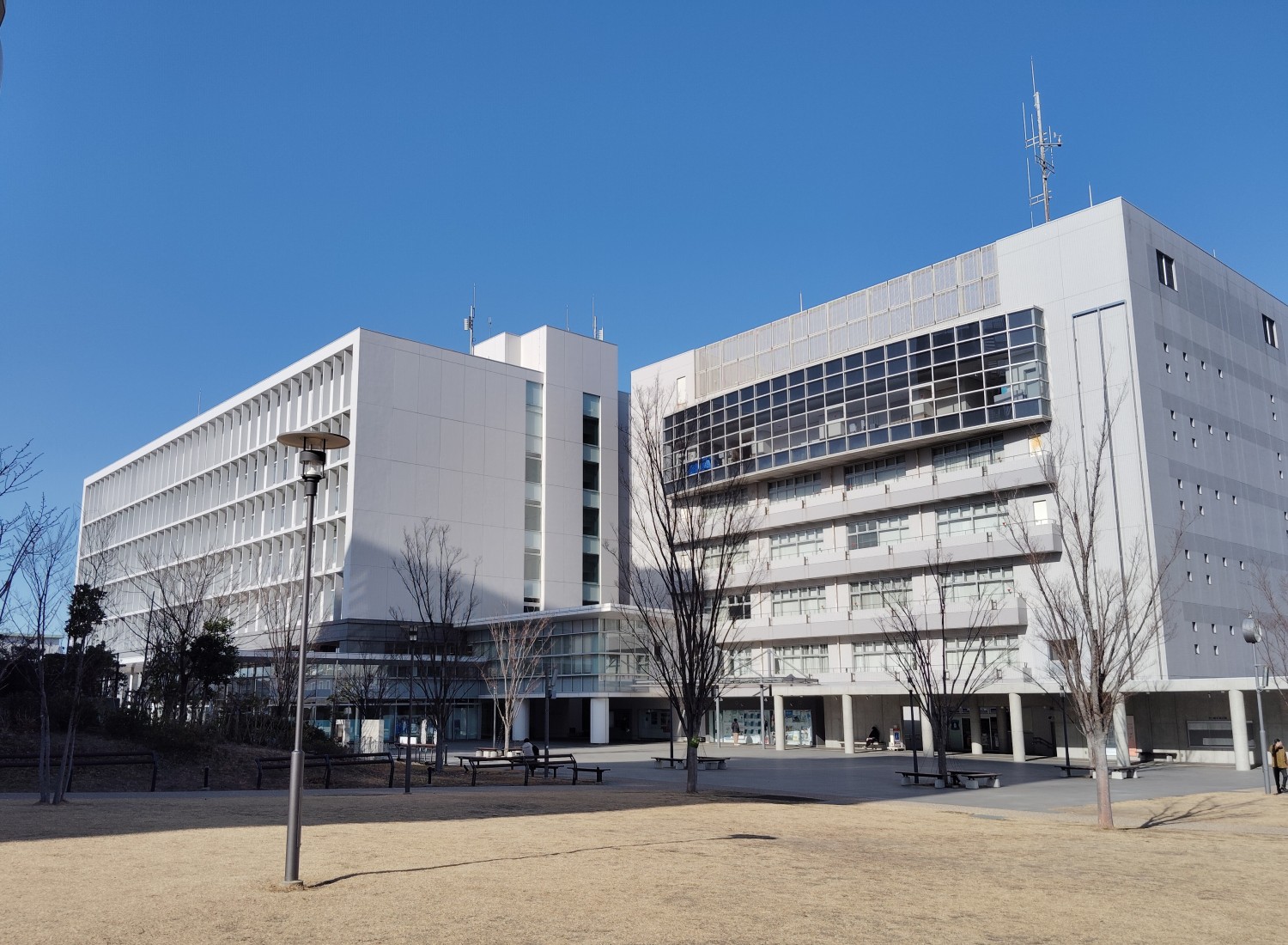
Door-to-door garbage collection is going to be conducted even in another three districts from April 1. The collection system has already been underway on a trial basis since April 2024 in Saiwai-cho, Serizawa, Tomoe (1 and 2 chome), Naka Kaigan (1), Hamatake (4), and Higashi Kaigan Kita (1 and 2). The three new districts will be Shin-Ei-cho, Higashi Kaigan Kita (3), and Motomachi.
Since the beginning of the experiment, through meetings between the city office, and related communities and residents, the city has been asserting its effects in terms of: 1) whether the burden of carrying garbage to collection places has reduced, 2) whether the effort needed to maintain collection places clean has reduced. In these districts, waste material bags are placed within the property boundary.
The summary of the experiment’s preliminary findings related to fiscal 2025, and the planned garbage collection method from April 2026 will be communicated to residents concerned in early March. Note: collecting systems of incombustible materials and recyclable materials remain unchanged.
Data indicates the city’s population may have passed the peak.
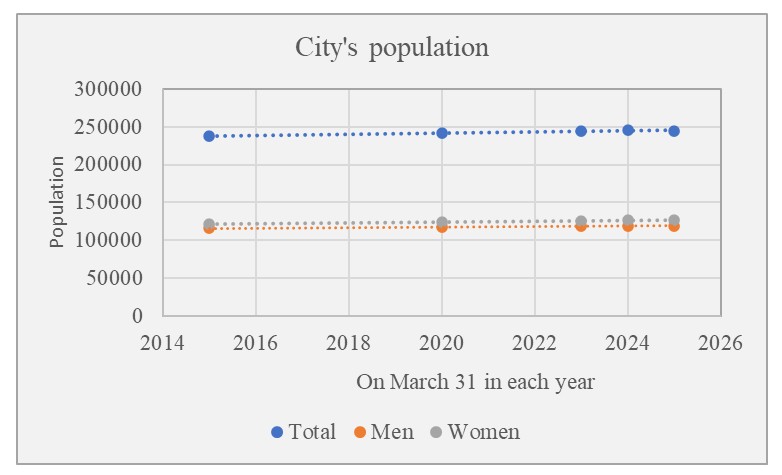
Chigasaki’s population in March 2025 was 245,072, decreasing by 396 from the same month year earlier, indicating the population may have passed its peak or reached a plateau. Population data on the graph were calculated based on actual numbers from censuses in 2015 and 2020 as well as monthly numbers of newborn babies and deaths, and in- and out-migrants.
In 2014, the number of deaths first exceeded that of new-born babies. However, the number of in-migrants has surpassed that of out-migrants based on available data up until September 2025.
In 2023, the city had 2,520 new residents (in-migrants 10,135, and out-migrants 7,615). This figure was the largest of all the cities in Japan, except Tokyo’s 23 wards and ordinance-designated cities. Chigasaki seems to be popular especially among families with school children probably due to abundant nature, relaxed society, a low crime rate, robust childcare support, and more.
Advertisement: How about learning Japanese?
Date and Time: First Tuesday of every month 10:00 – 12:00
Place: Ikoria on the 4th floor of Chigasaki Trust bldg., 12-12 Shin-ei-cho
Tuition fees: Free
City Hall’s Diversity Promotion Division ☎ (81) 7150
Shonan Screening by Cinematheque Chigasaki “The Motorcycle Diaries”
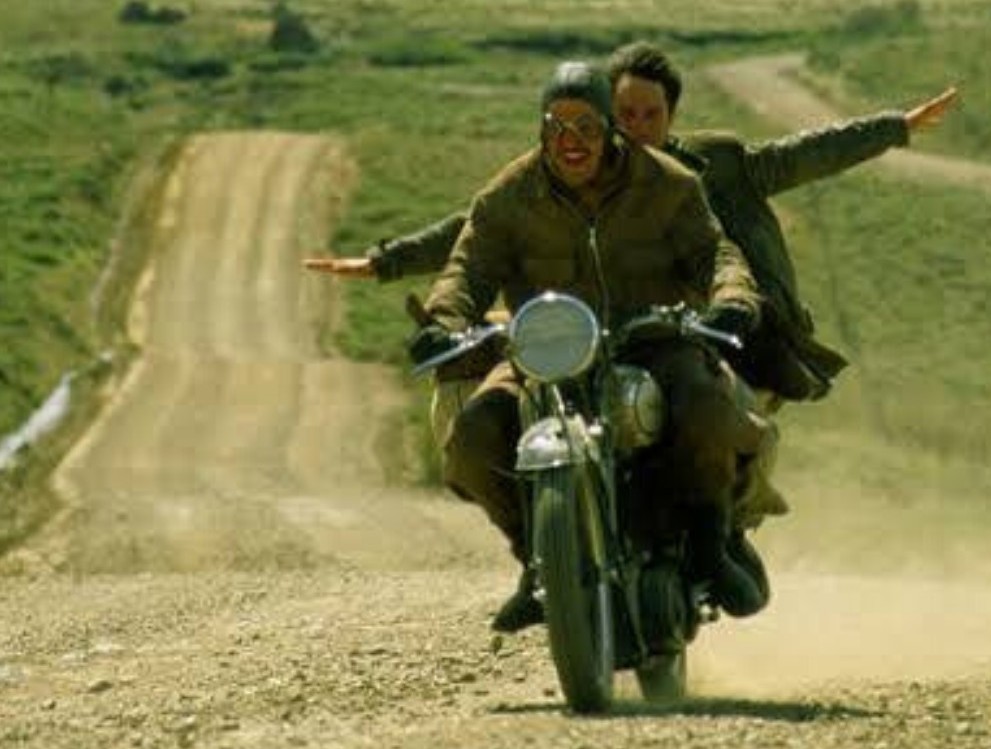
Voluntary group Cinematheque Chigasaki held its 58th screening at the city library on October 19 (Sun). The movie entitled “The Motorcycle Diaries” depicts young Ernest Guevara’s wandering journey through South America based on his memoir. He went on to become the revolutionist, Che Guevara.
Ernest, a medical student aged 23, specializing in Hansen’s disease, and his senior associate Alberto Granado, left Buenos Aires in 1952 for Caracas in Venezuela on Alberto’s old motorcycle. They first stopped at Miramar, an Atlantic coastal resort town, and then crossed Patagonia, and then went up to Caracas along the west coast of the continent.
They went through various ordeals during their penniless travel of over 10,000 kilometers in seven months. Their tent was blown away into a river in strong winds, and their motorcycle was scrapped as they overused it by going on gravel roads, mountain roads, snowy roads and desert, as well as damaging it in several traffic accidents. They continued the travel on foot and by hitchhiking.
They met many people with various backgrounds. At Miramar, they met Ernest’s girlfriend, who was staying there. She asked him to buy swimwear for her in Miami, and gave him 15 dollars. But Ernest gave the money to a couple he met in Chile. The couple had been deprived of their land, and were wandering about seeking employment. At a copper mine, Ernest felt anger seeing rough employers exploiting crowds of desperate job seekers.
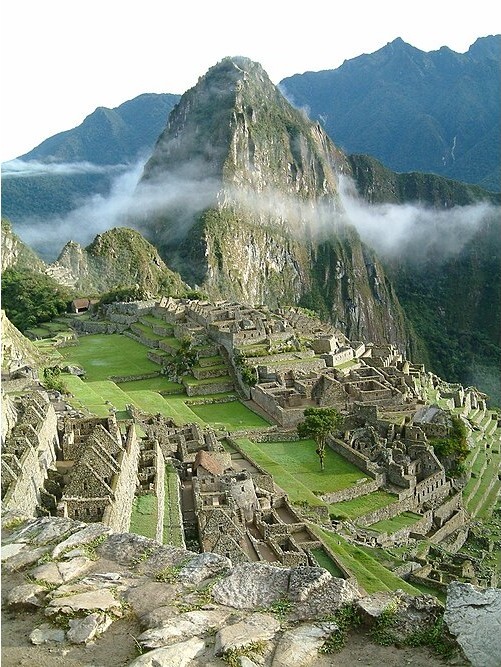
In Peru, they were overwhelmed by the monuments in Machu Picchu (See the figure on th right, from Wikipedia), and found many indigenous people living in the far reaches of the Andes. In Lima, they met the most famous doctor of Hansen’s disease in South America, which was one purpose of their travel. The doctor helped them work at the San Pablo leper colony, which was isolated from the city area by the Amazon. At the celebration party of his 24th birthday, Ernest swam across the river to the colony.
These experiences made him realize the existence of social and economic inequalities, and impelled him to fight against them years later. The film was planned by Robert Redford, directed by Walter Salles, and released in 2004.
Short Essays on Chigasaki-17 Hanrei Yoshioka, a Japanese-style painter, & eight pieces of scenery in Chigasaki
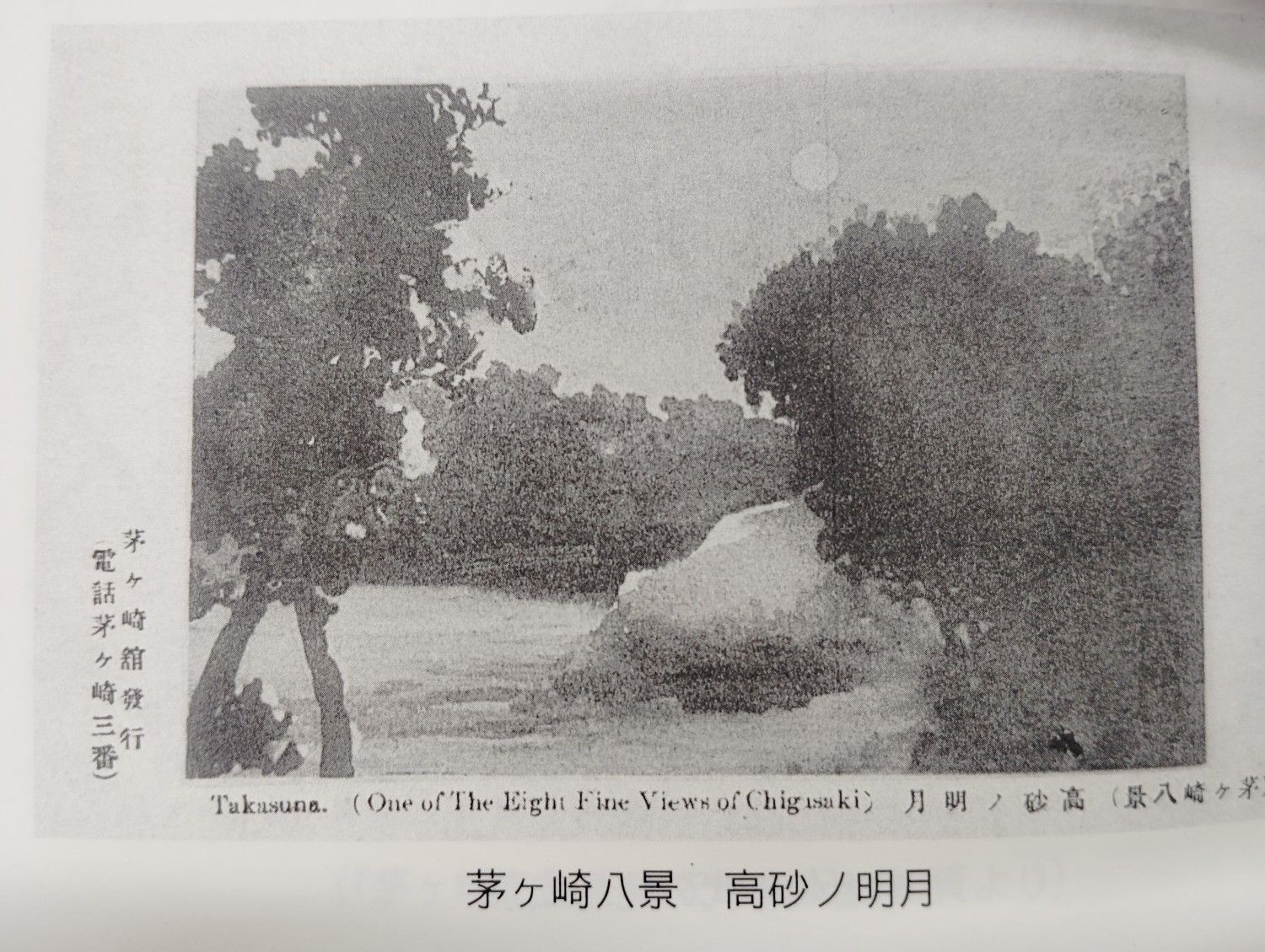
Chigasaki-kan, a seaside inn in Chigasaki, issued sets of eight picture postcards, and provided them for visitors at the end of the Meiji Period (1868-1912). The set was entitled “The Eight Fine Views of Chigasaki.” Their original pictures had been drawn by Japanese-style artist Hanrei Yoshioka.
The eight pictures are:
➀ Ohyama-no-seiran, or a clear sky after the storm at Mt. Ohyama (大山ノ晴嵐)
➁ Toriido-no-sekisho, or an evening glow at Toriido (鳥井戸ノ夕照)
➂ Tsurumine-no bansho, or an evening bell at Tsurumine (鶴嶺ノ晩鐘)
➃ Masaki-no-Yau, or a night rain in Masaki (真崎ノ夜雨)
➄ Ubashima-no-kihan, or a returning sailboat from the Ubashima (姥島ノ帰帆)
➅ Takasuna-no-igetsu, or a bright moon at Takasuna (高砂ノ明月)
➆ Yanagishima-no-rakugan, or wild geese flying down to Yanagishima(柳島ノ落雁)
➇ Fuji-no-bosetsu, or snowfalls on Mt. Fuji in twilight (富士ノ暮雪)
Yoshioka was born in Yamanashi prefecture in 1875, and studied under Gyokusho Kawabata, who belonged to the Maruyama sketching school. Yoshioka also wrote many painting certificates. The Great Kanto Earthquake, in September 1923, destroyed Chigasaki-kan, and only a few records about the inn before the earthquake have remained. All the eight original pictures were among the lost items, but ①‘Ohyama-no-seiran,’ has recently returned to the inn.
His work depicting Mt. Fuji is preserved at the former house of the Toma Family in Yanagishima. It has his signature, but no one knows how the picture reached Toma.
(The source of the essay: Chigasaki People’s Book published by Chigasaki City)
"https://chigasaki-haiku.com/?p=566 茅ヶ崎の八景
Interested in Japanese proverbs?
1)茶碗を投げれば綿で抱えよ(CHAWAN WO NAGEREBA WATA DE KAKAEYO)
CHAWAN means a rice bowl, WO a postposition for an object, NAGEREBA if someone throws something at you, WATA cotton, DE with, and KAKAEYO to hold it in your arms.
When someone throws a rice bowl at you, if you catch it with soft cotton and hold it firmly, the rice bowl will not crack. Likewise, even when someone takes a high-handed attitude towards you, you should receive it softly.
Today, customer abuse is a serious issue for workers in the retail, service, taxi, delivery and many other industries, as some people insist that “The customer is always right.” If these workers repeat “Chawan wo nagereba…,” in their mind when faced with such customers, they may be able to respond tactfully to them.
The saying is in 弓勢智勇湊, or yunzeichiyuuno-minato, a joruri story, made by Gennai Hiraga in the Edo Period.
Its English equivalents are:
●A soft answer is a specific cure for anger.
●Soft words pacify wrath.
●Soft words win hard hearts.
2)人は一代、名は末代 (HITO WA ICHIDAI, NA WA MATSUDAI)
HITO means a person, WA to be, ICHIDAI one generation, NA one’s name, and MATSUDAI future generations.
A person’s life finishes when they die, but their name, their achievements, and their evil deeds will be
remembered forever. Therefore, we should not do a stupid thing.
It was found back in February 2024 that 85 out of the 384 Diet members of the Liberal Democratic Party had been involved in the so-called illegal money scandal. Forty-six scandal-tainted LDP members ran for the October 2024 Lower House election, and only 18 were elected. Voters never forgot what they did.
The saying is in 幸若舞曲・八島, or Kowakabukyoku Yashima, which is a No play created by Naoaki Momonoi, who was called Kowakamaru when he was a child, based on The Tale of the Heike written in the 13th century.
Its English equivalents are:
●A man dies, his name remains.
●A good name is better than riches.
●Good men must die but death cannot kill their names.
Winter sunflowers in Samukawa
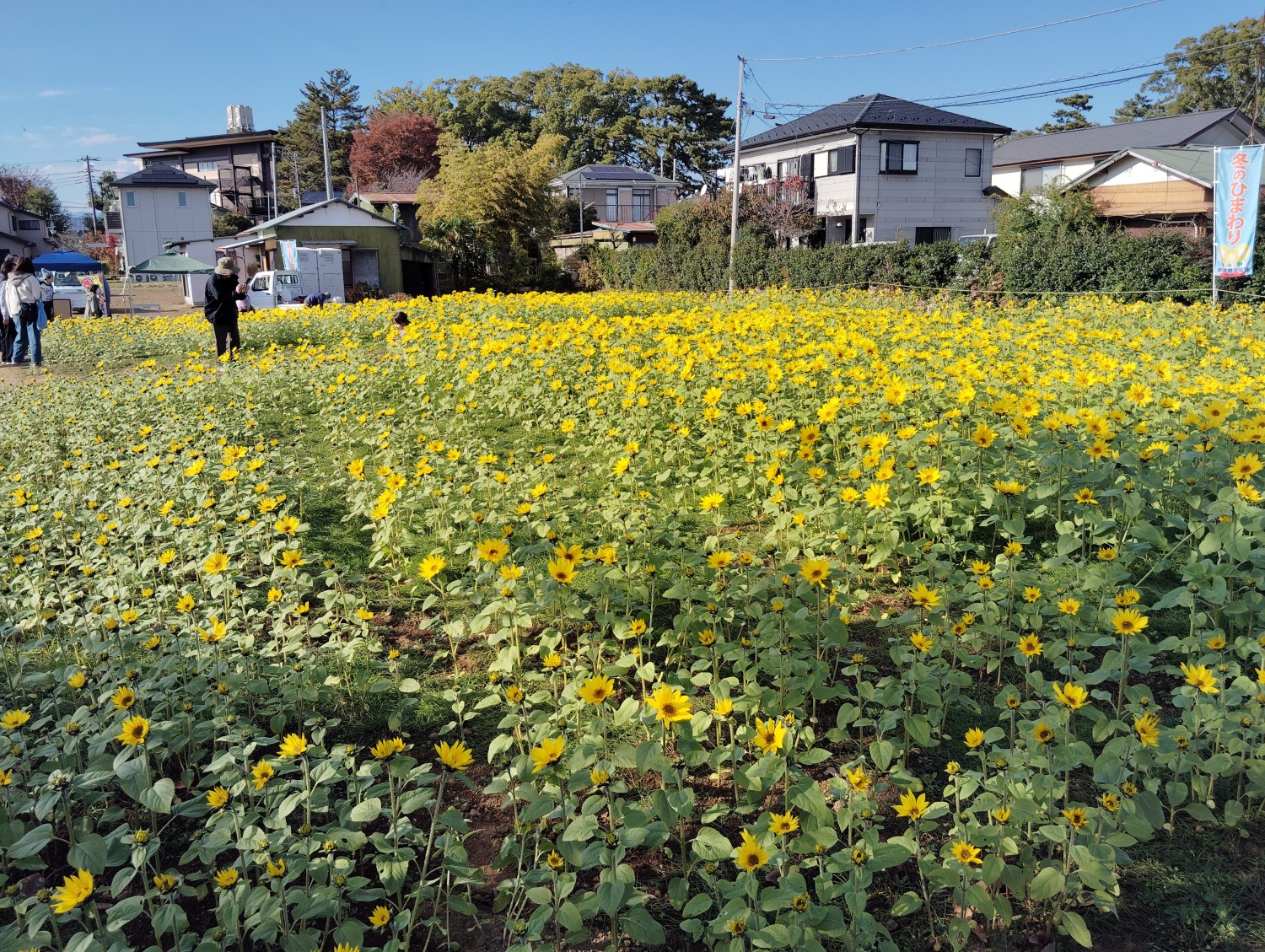
Winter sunflowers were in full bloom on Nov. 15 (Sat). Of two major winter sunflower gardens, the larger one (about 3000m2) is to the south of Samukawa Shrine. From a distance, about 100,000 sunflowers looked like a yellow carpet spreading over the gently rolling land. Ten years have passed since Samukawa Town Tourism Assoc started the sunflower project.
Nowadays, winter sunflowers draw not only town people but also those in adjacent and distant places, as the yellow flowers are sometimes broadcasted on TV, for example, in the NHK news on the afternoon of Nov. 15th, this season.
On September 22nd (Mon) and the 28th (Sun), the association members sowed about 130,000 seeds, and the garden was opened to the public from Nov. 15th (Sat) to the 17th (Mon), and from Nov. 22nd (Sat) to the 24th (Mon). Many families with children or seniors took photos at their favorite spots.<>br(Admission fee 100 yen, and picking fee 200 yen)
THE 4th BOTANICAL SHOW
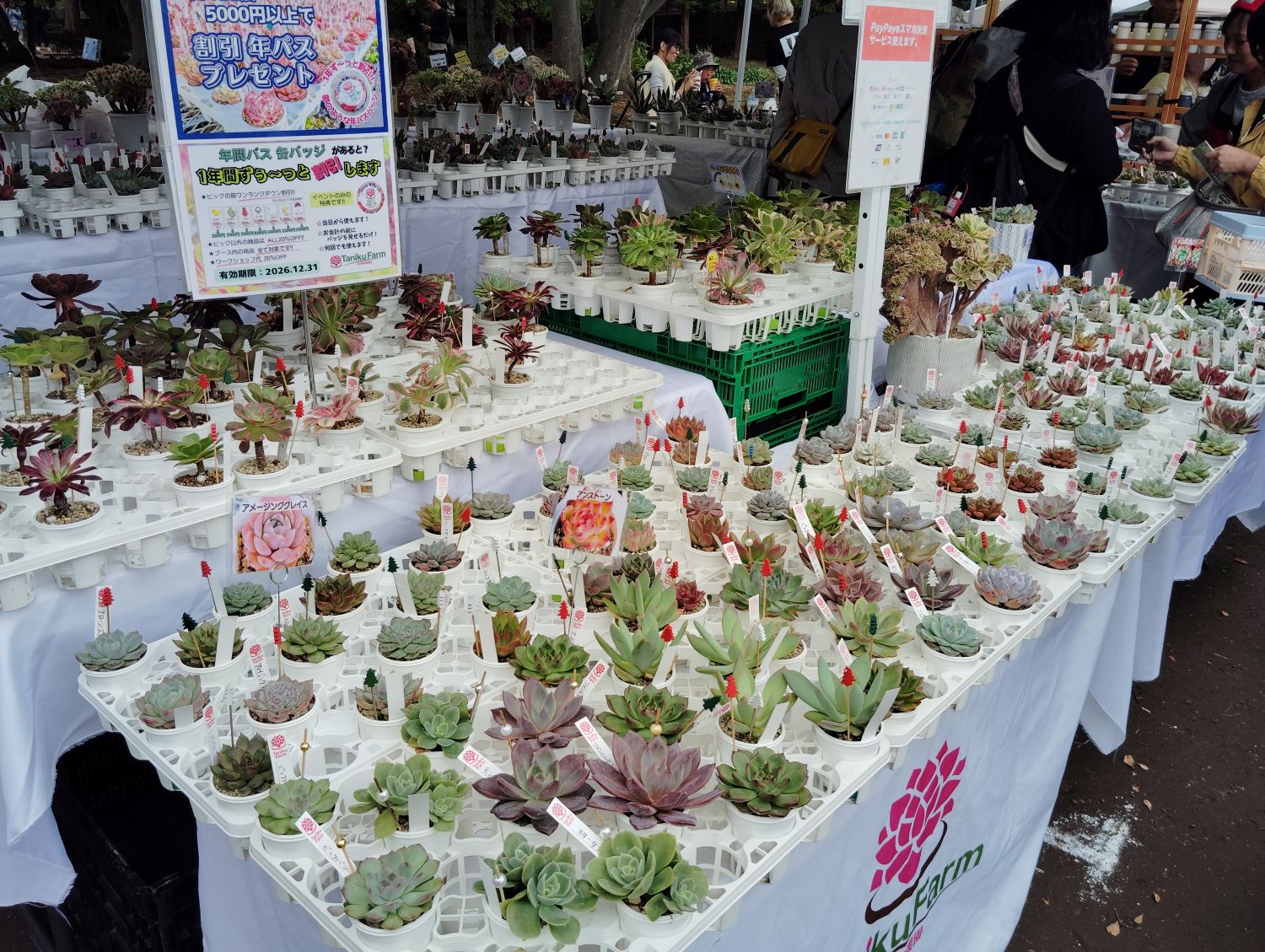
A sapling market took place at Chigasaki Chuo Koen on Nov. 2 (Sun). Cactuses and other succulent plants and gardening equipment were put up for sale. Succulent plants are popular as they go well with the interior of rooms, and need little looking after. In addition, they grow slowly so that they keep their shapes for a long period.
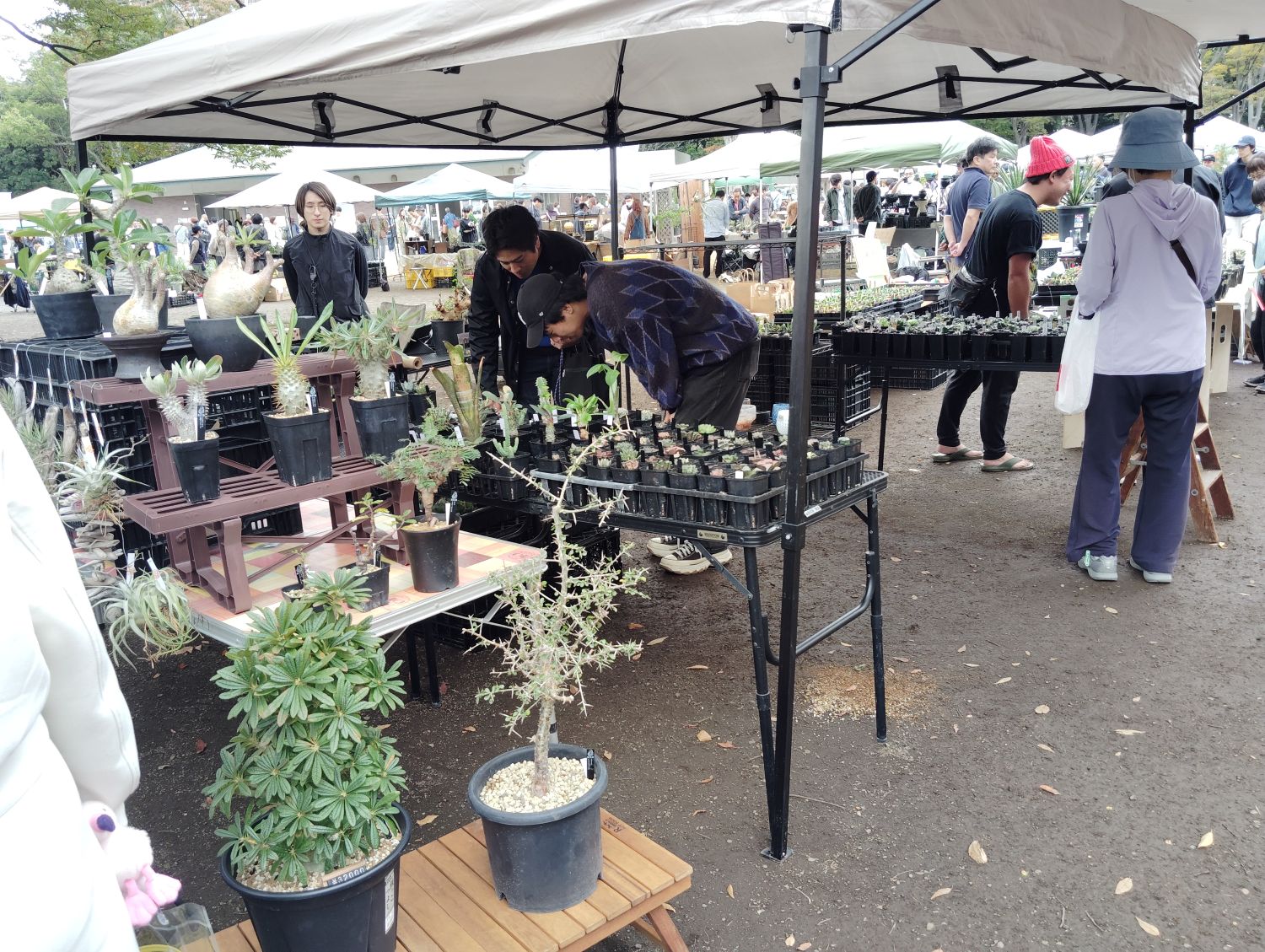
Visitors roamed from tent to tent on the sunny Sunday afternoon. Plant enthusiasts must have enjoyed looking at various kinds of saplings. By the way, LA Dodgers’ World Series victory on that day probably made the fans of Otani, Yamamoto and Sasaki at the market much happier.
Chigasaki Firefighting Disaster Prevention Festival 2025
Chigasaki Firefighting Disaster Prevention Festival 2025 took place on Nov. 16th (Sun) at Chuo Koen. A ladder truck, an earthquake-simulation vehicle, a fire pump, and construction machines, including a bulldozer and a loading shovel, were on display there.
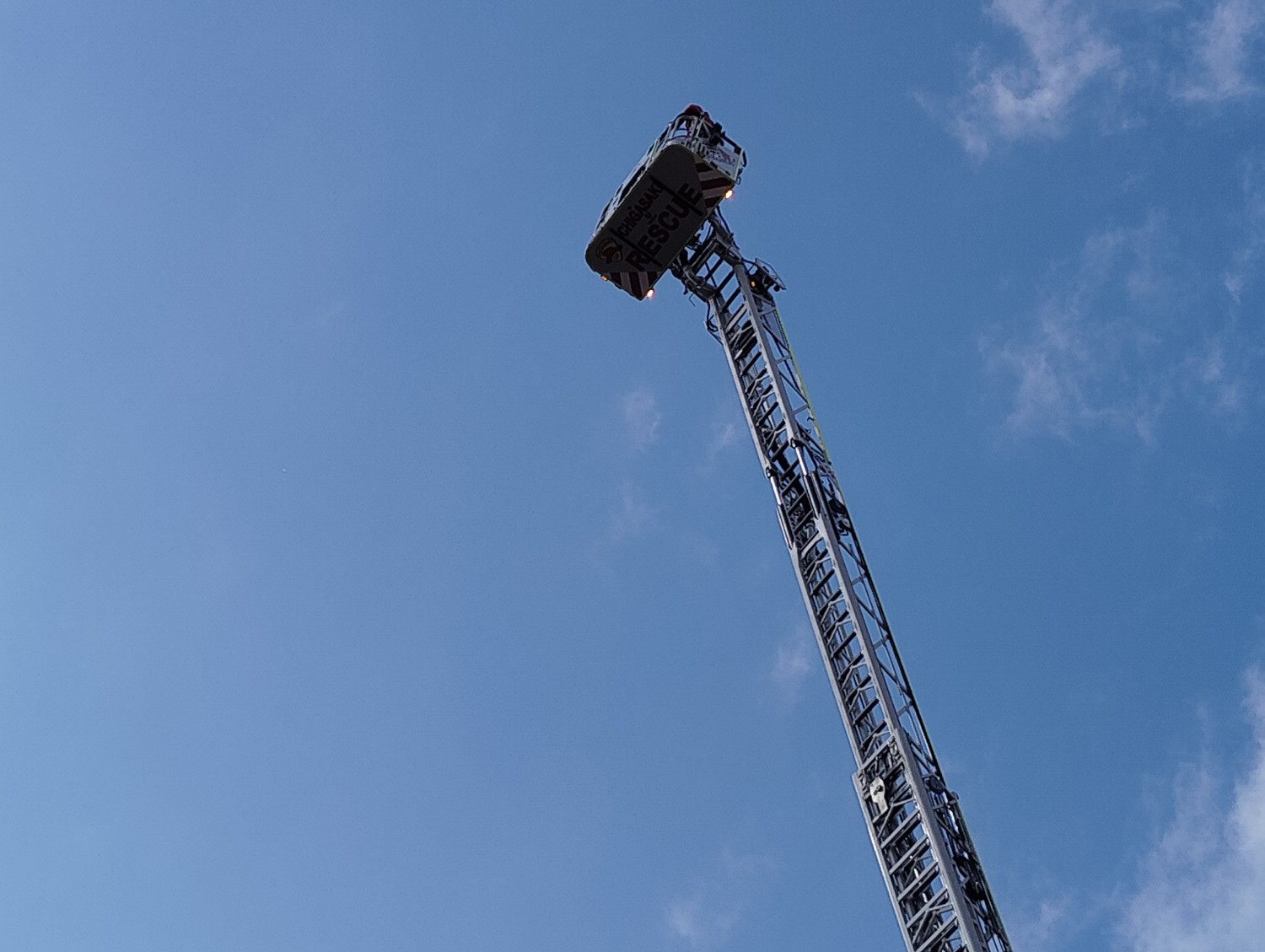 Ladder truck boarding, 40m from the ground
Children with their parents formed lines in front of each vehicle to experience boarding or operating them firsthand. As the ladder truck was very popular, children (and parents) who were allowed to board the vehicle had been selected by a lottery beforehand. It was probably the first time for them to look down on the city from 40 meters above the ground.
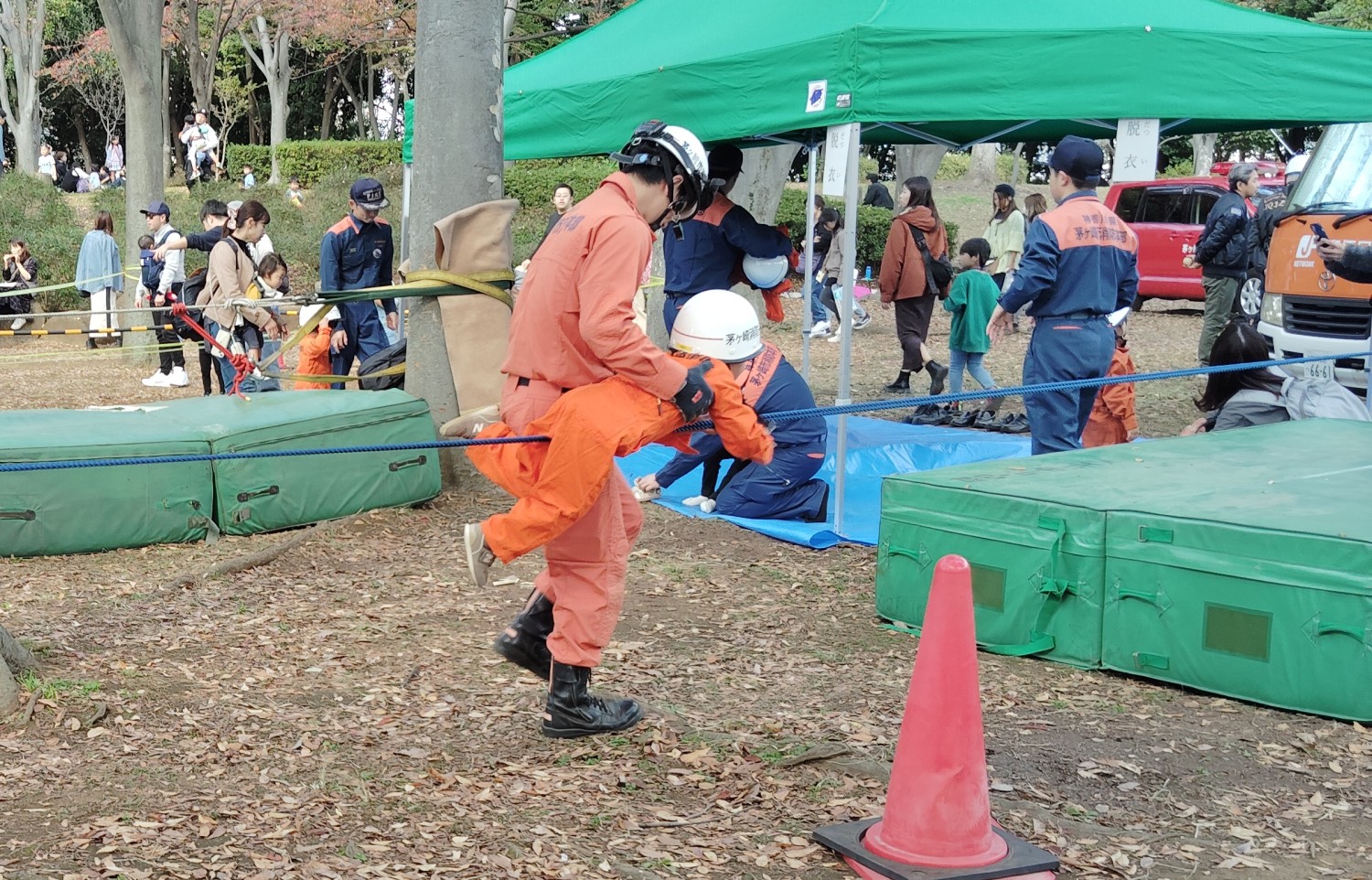 Tightrope crawling
In the tightrope crawling area, children challenged crawling on the rope for a few meters supported by fire fighters. And in the spraying area, children together with fire fighters sprayed water at a target.
Children must have felt fire fighters and construction workers were very dependable, and would not forget the outdoor activities they participated in that day. Furthermore, some may have become determined to follow in their footsteps.
The 65th Chigasaki Citizen Cultural Festival at Civic Hall
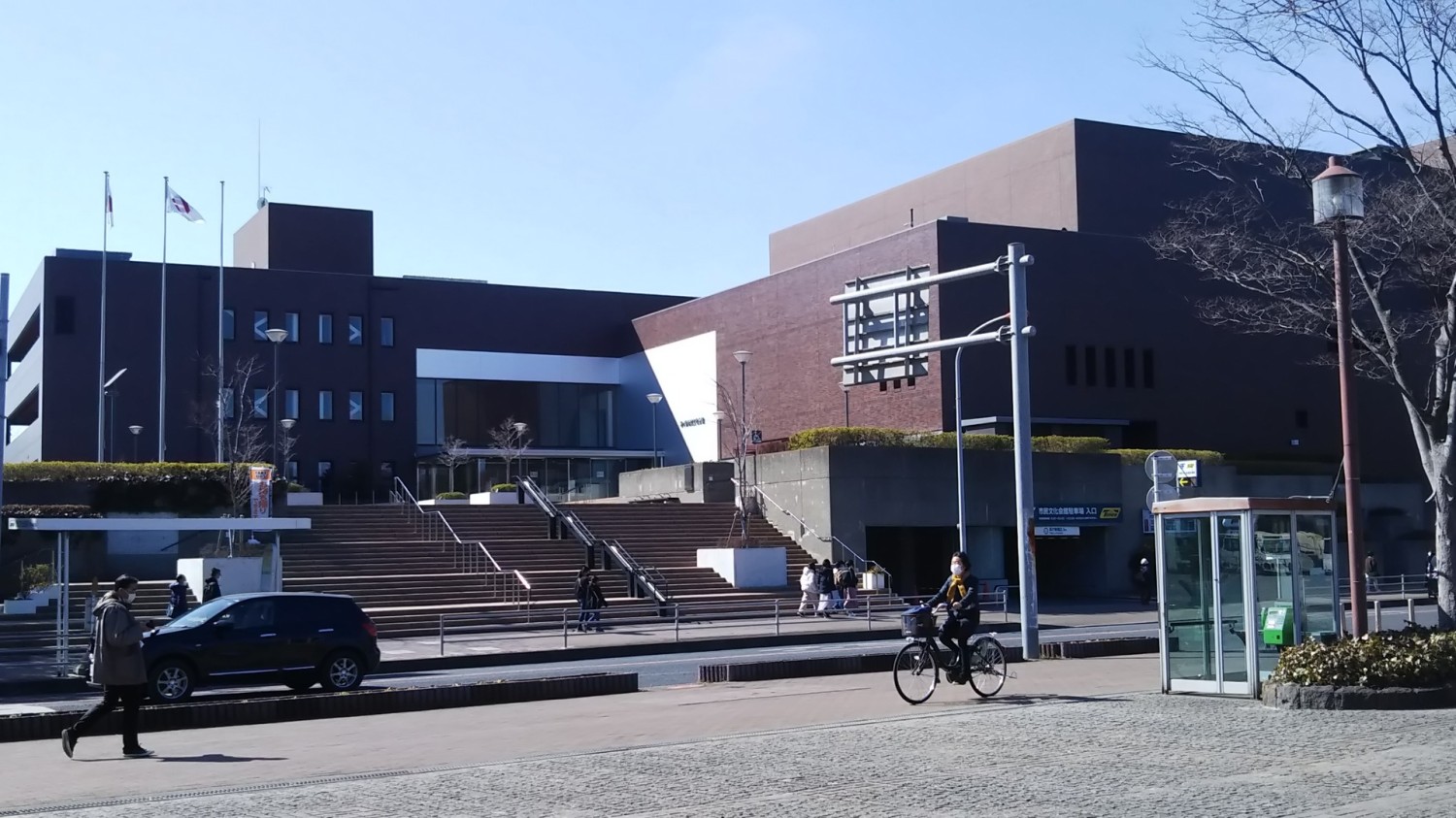
Haiku competition
The 65th haiku competition was held on Nov. 15th (Sat) in the large conference room. About 80 haiku lovers gathered. They were mostly Chigasaki citizens and some were from Hiratsuka and Atsugi.
Participants had to submit two haikus; one that they had written in advance with an autumnal season word (Kigo* in Japanese) of their choice, and the other that they composed within an hour in the competition with Sekidai**.. The former contained various autumnal season words, while the latter had the exact same word, and had to be made in a limited time so that to compose the latter was a big challenge for beginners.
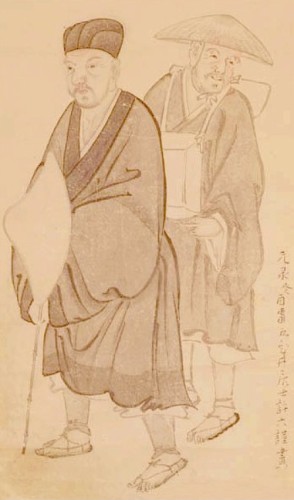
Photo on the left: Haiku poet Basyo Matsuo, from Wikipedia
*Kigo: a word that serves as a seasonal indicator, showing which season the haiku describes. Each haiku has to have one season word. For example, the moon is for autumn and wild ducks for winter.
** Sekidai: the season word the chairperson gives participants in the competition, and all of them must use it.
During a lunch break, lists of 160 haikus without composers’ names were given to all the participants. After the break, each participants chose six haikus from the list; meanwhile staff made the list of all the participants. Then a staff member read out one selected haiku, the haiku’s composer came forward, and -of 正was written next to his or her name. This process, the most exciting one, continued for more than two hours until all the selected haikus were read out.
Results were: haikus written in elegant styles, and representing clear visual scenes got many scores. However, scores were split, indicating everyone has their own tastes.
Chrysanthemum exhibition
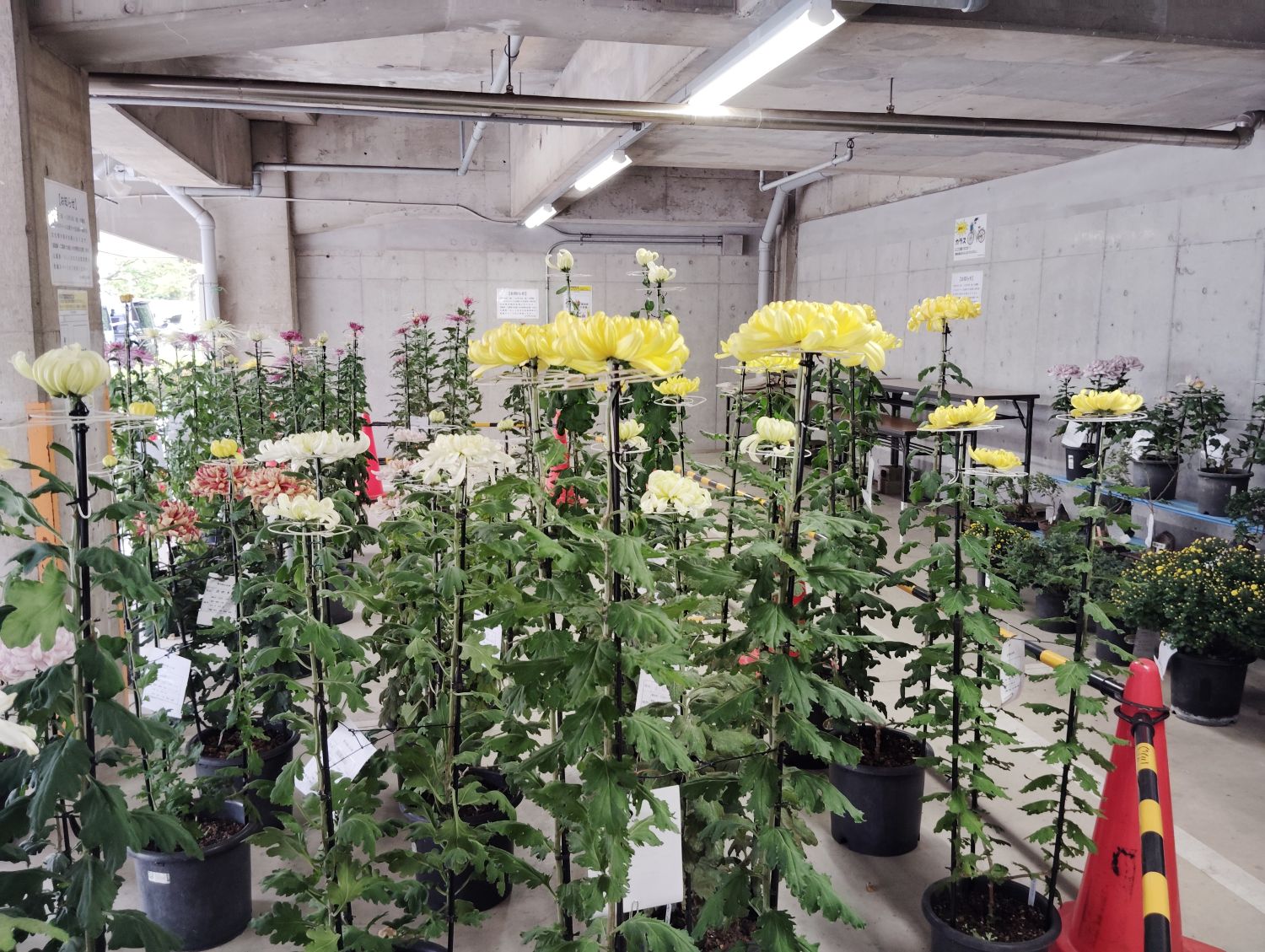
Chrysanthemum exhibition took place at the bicycle parking area from Nov. 1 (Fri) to the 13th (Wed). Fewer chrysanthemums were on display than usual. High temperatures in early autumn and recent brighter nights in residential areas delayed the flowering of the plants, said an association member.
There are many kinds of styling in chrysanthemums for competitions: Atsumono, Atsubashiri, Daruma, Fukusuke, Futokuda, Aikuda, and many more. Exhibits are evaluated based on their height, flower shape and size, and many other standards. It takes years to master the essence of chrysanthemum raising. Visitors asked members many questions, and they gave answers in detail to them. The exhibition provides a good opportunity for amateur growers.
Photo exhibitions
Two photo groups held exhibitions in the exhibition rooms on the 1st floor from Nov. 14th (Fri) to the 16th (Sun).
Chigasaki Kyodokai (Hometown Chigasaki Club)
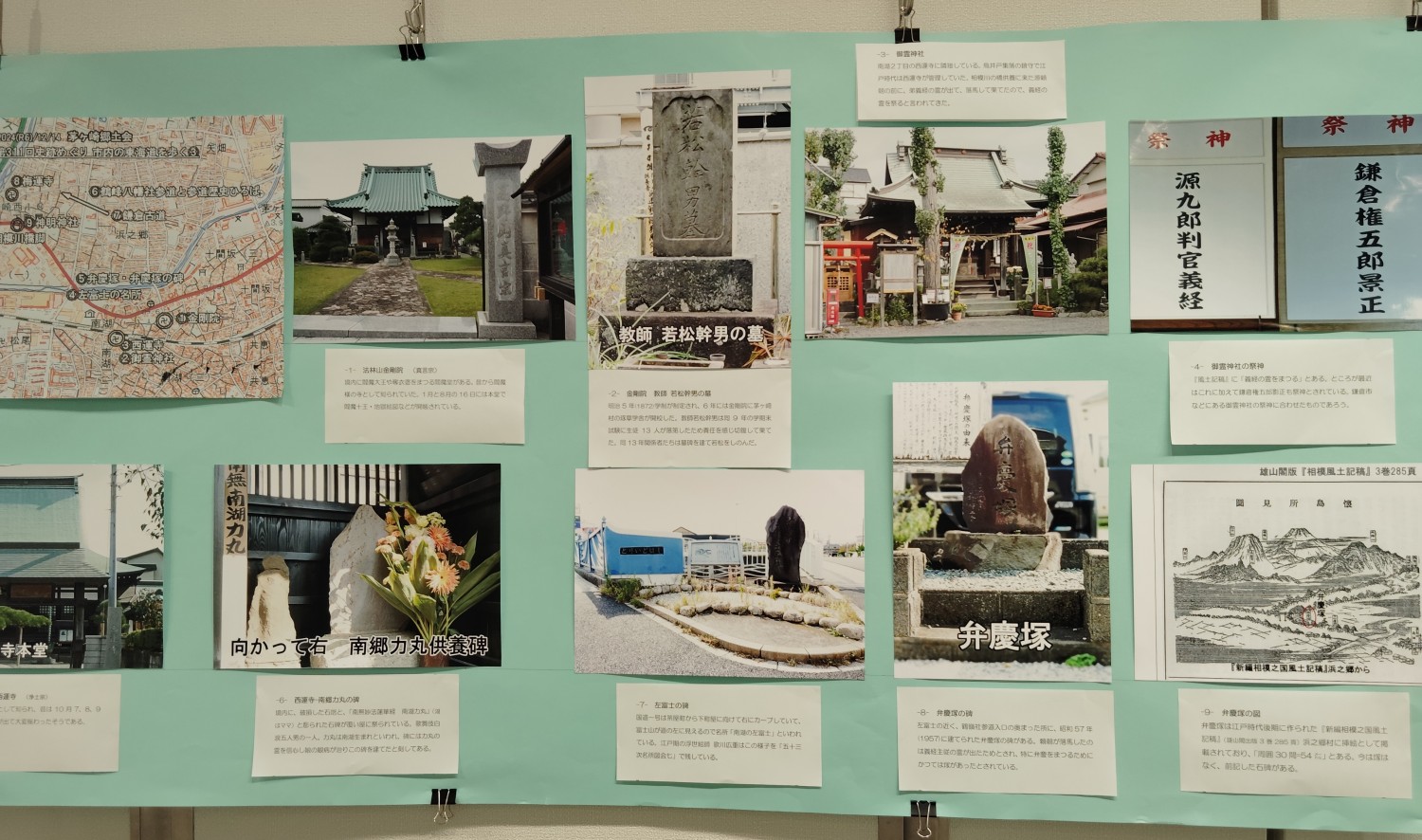
Ⅰ Photos, taken during four one-day trips to historic sites in fiscal 2024, were on display:
(1) from Honson to Nango,
(2)from Nango to Shimomachiya along the Tokaido,
(3) the ruins of Ishigakiyama Castle in Odawara, and
(4) the ruins of Kawamura Castle in Yamakita
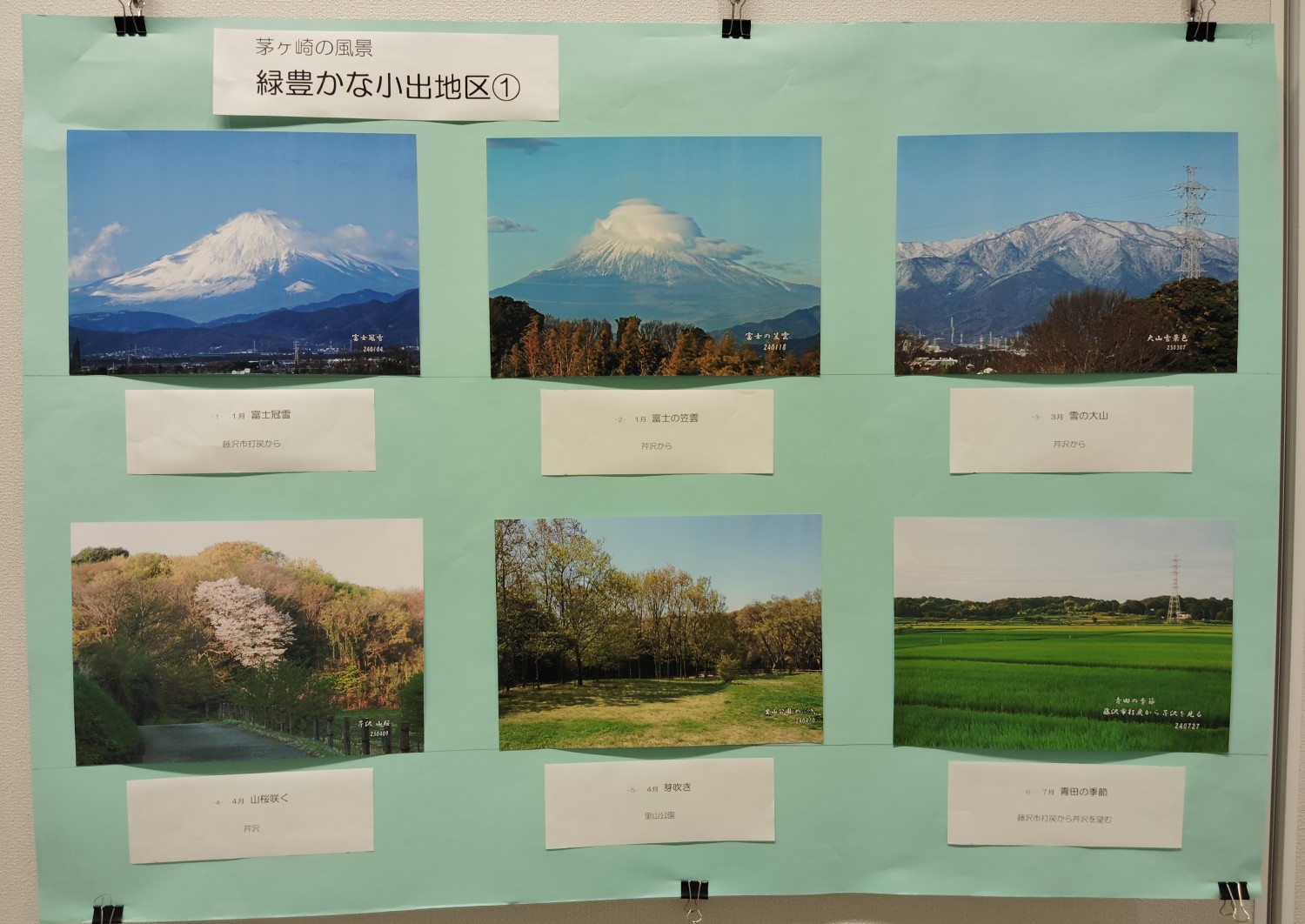
Ⅱ Scenes in the four areas of the city: Yanagishima, Shorin, Akabane, and Koide
These photos are part of the group’s huge collection, which show lives of residents in the past, and will become good historical materials for those in the future.
Chigasaki City Culture Organization Photo Group
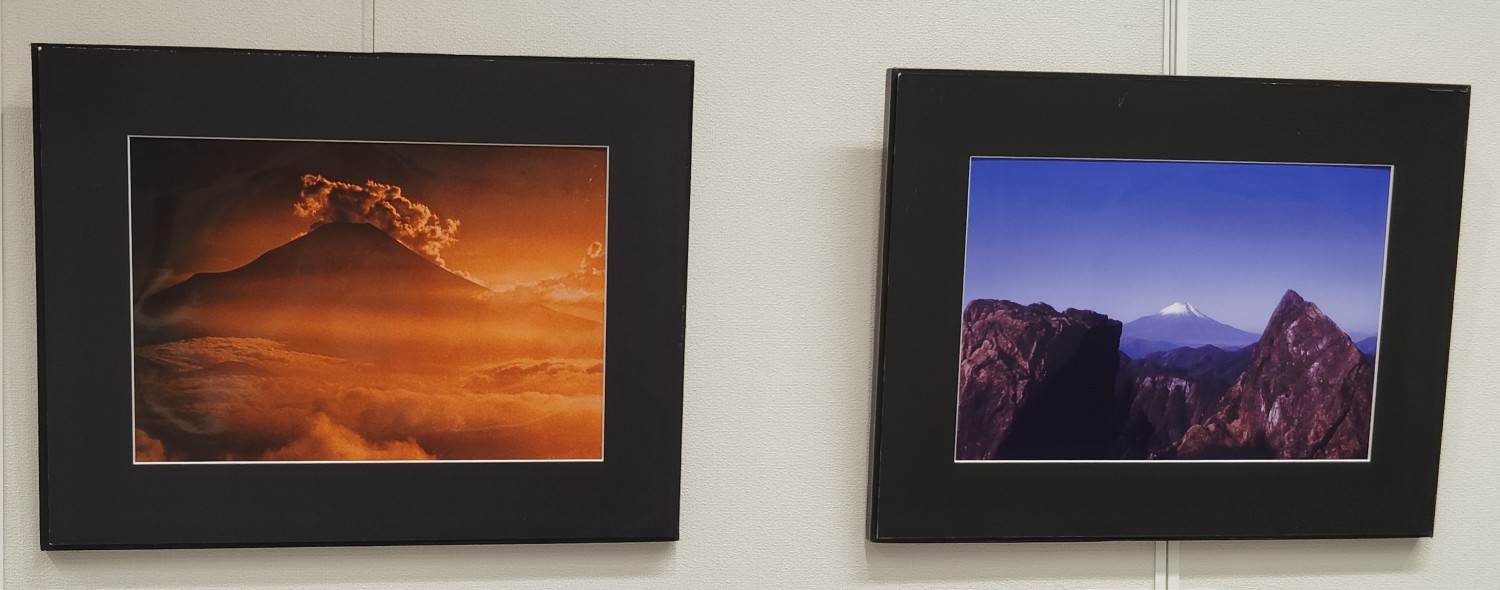
Sixty-four photos, two by 32 members each, were on display. Photo spots ranged from Hokkaido to Kyushu, and Bali, Indonesia. All the photos were so beautiful that they impelled visitors to go there. I wonder how long it took these photographers to take them.
Scenes of the end of the old year and the beginning of the new year
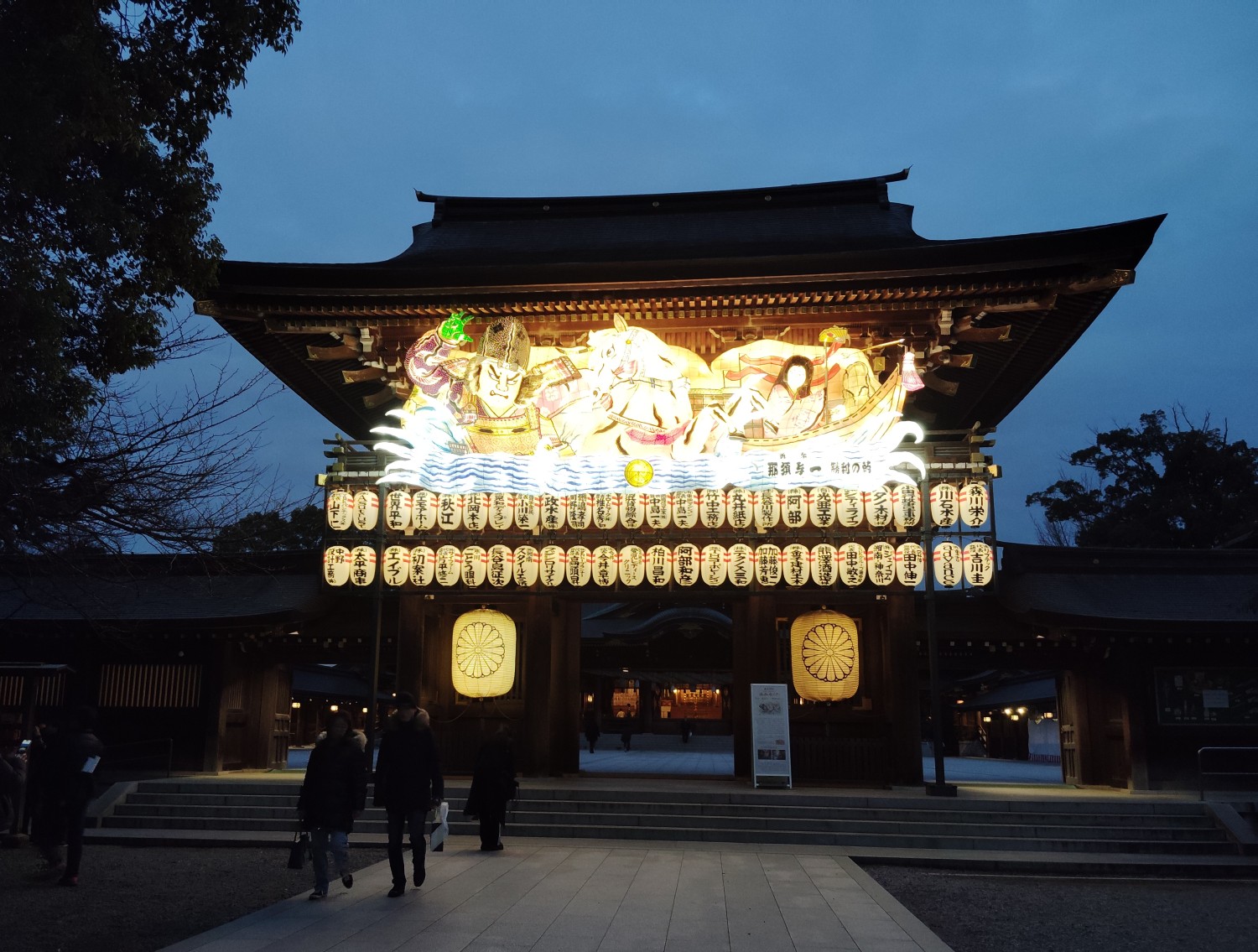
Above: A nebuta, a giant illuminated decoration, was fixed on the main gate of Samukawa Shrine on the evening of Dec. 20 (Fri). The nebuta has been one of the shrine’s customs at this time of year since 2001. In the 26th nebuta, warrior Yoichi Nasuno appeared. He did an admirable deed at the battle of Yashima in 1185 in the national civil war between the Taira and Minamoto clans. The nebuta is going to be illuminated until the evening of Feb. 23 (Mon).
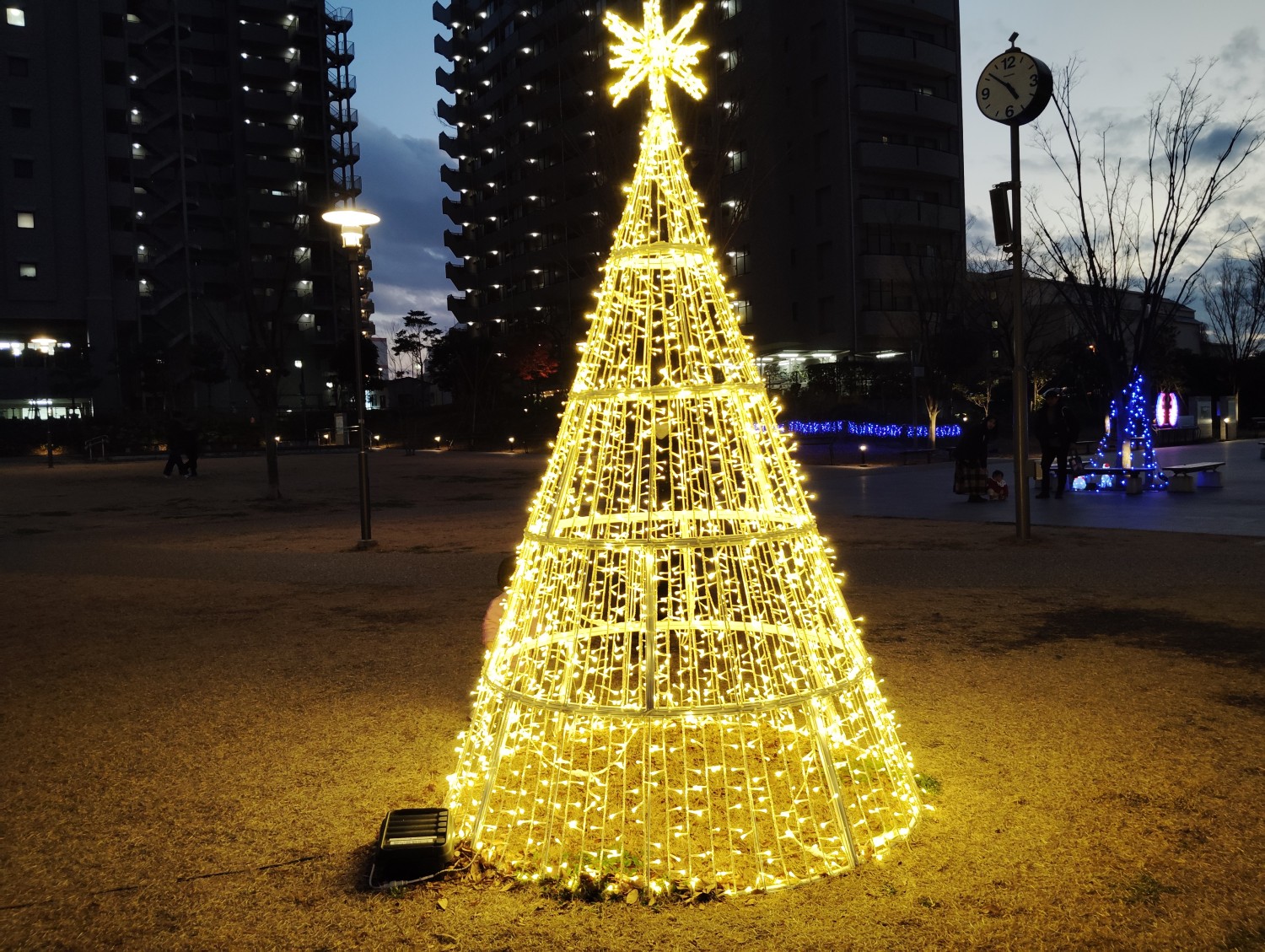
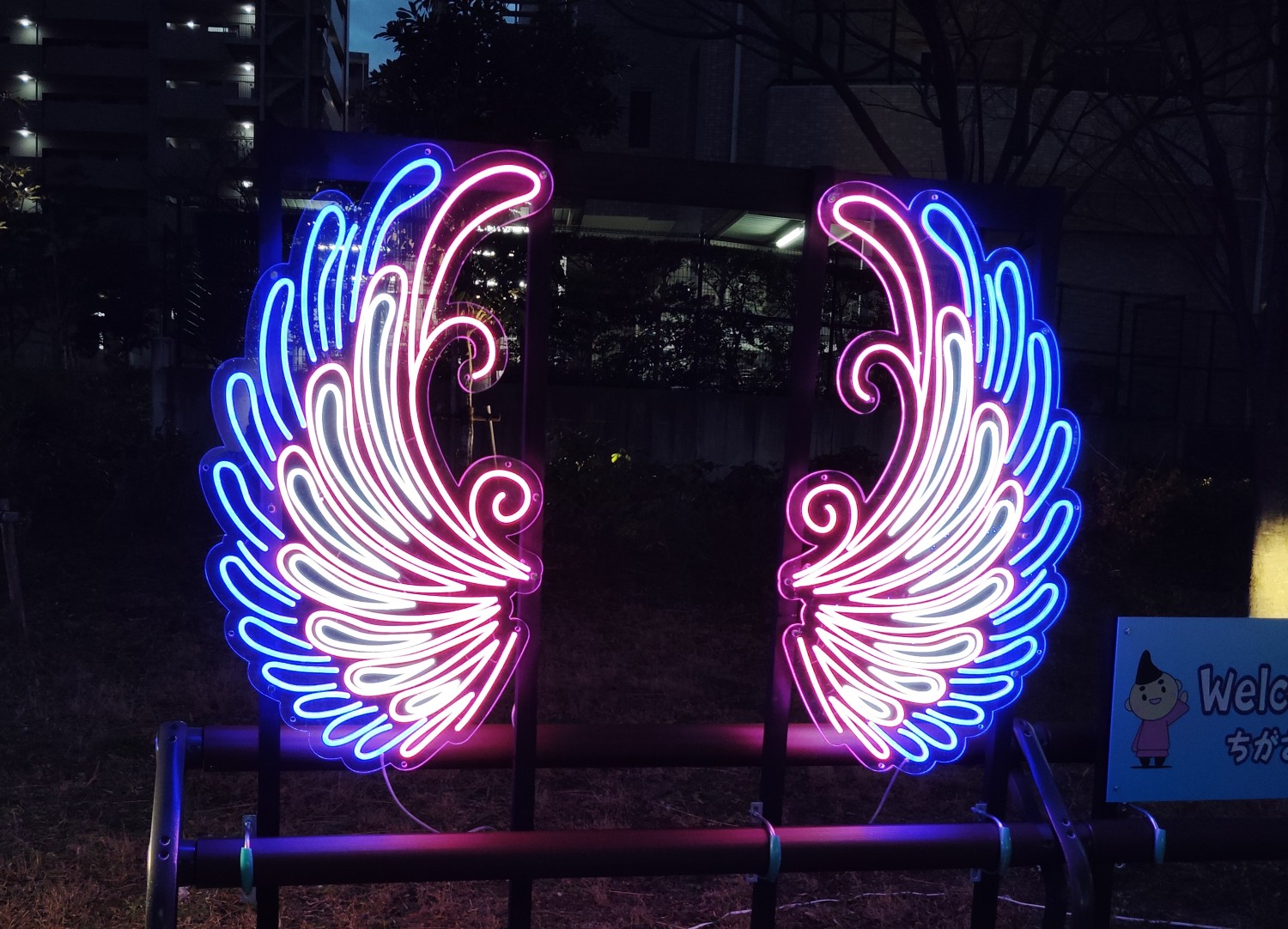
Bellow: Illuminations donated by Shonan Biso Inc, in the front yard of City Hall, are going to be turned on daily from sunset to 8 pm until Feb. 14th (Sat).